
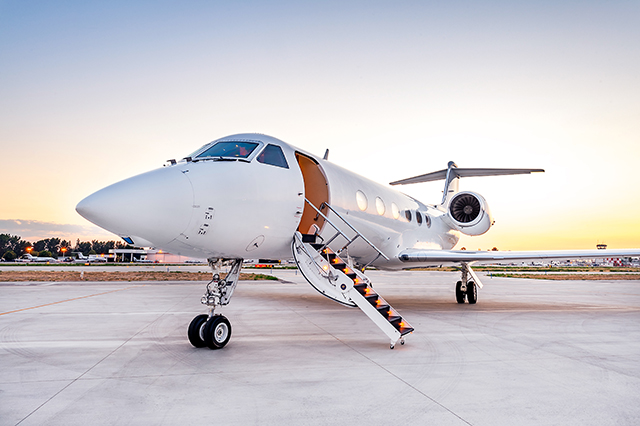
In recent times, the allure of private aviation has soared, attracting a diverse range of individuals and businesses desirous to experience the comfort and luxurious that comes with owning a private plane. Nonetheless, the costs associated with purchasing and maintaining a private aircraft can be staggering, often main prospective owners to reconsider their funding. This article delves into the assorted bills concerned in private plane possession, shedding light on what potential patrons should anticipate.
The Preliminary Buy Price
The most vital expense in private aviation is undoubtedly the initial purchase worth of the aircraft. Costs can fluctuate dramatically based mostly on the kind of plane, its size, age, and capabilities. As an example, a small, used mild jet may value round $3 million, whereas a brand-new, giant business jet can simply exceed $70 million. Based on recent knowledge from the general Aviation Manufacturers Association (GAMA), the common worth of a new business jet was roughly $8 million in 2022.
Furthermore, consumers must consider the extra costs associated with the acquisition, such as gross sales tax, which may vary from 0% to over 10% depending on the jurisdiction. Pre-purchase inspections, authorized fees, and registration prices can add tens of thousands of dollars to the initial expenditure, making it essential for consumers to price range accordingly.
Financing and Insurance coverage
For a lot of potential owners, financing is a standard approach to buying a private plane. Financing options can range broadly, with curiosity charges sometimes starting from 4% to 8% relying on the buyer's creditworthiness and the aircraft's worth. The mortgage phrases can even differ, with most financing arrangements spanning between five to fifteen years.
In addition to financing, insurance coverage is another vital expense that cannot be missed. Private aircraft insurance coverage is influenced by various factors, including the aircraft's worth, the proprietor's flying expertise, and the meant use of the plane. On average, homeowners can expect to pay between $10,000 to $50,000 yearly for insurance protection, depending on these elements.
Upkeep and Operating Costs
Once the aircraft is bought, the ongoing costs of possession begin to accumulate. Common upkeep is essential to ensure safety and compliance with aviation rules. The Federal Aviation Administration (FAA) mandates that private aircraft bear annual inspections, which can cost wherever from $5,000 to $20,000, relying on the aircraft's measurement and situation.
Additionally, owners should price range for routine upkeep, which incorporates engine overhauls, avionics upgrades, and different mandatory repairs. A common rule of thumb is to put aside approximately 10% of the aircraft's worth annually for maintenance and repairs.
Operating prices also encompass gasoline, which represents one of many most significant ongoing expenses. The worth of aviation gas can fluctuate dramatically, but on average, homeowners can anticipate to pay between $4 to $7 per gallon. Depending on the aircraft's fuel consumption, house owners can incur fuel prices starting from $30,000 to $200,000 per yr.
Crew Salaries and Training
For bigger aircraft, hiring a crew is usually vital, which adds another layer of expense to private plane ownership. The salaries of pilots and cabin crew can range extensively based on expertise and the aircraft sort. A captain flying a big business jet can earn between $100,000 to $200,000 annually, whereas co-pilots and cabin attendants also command competitive salaries.
Furthermore, homeowners should put money into ongoing coaching for his or her pilots to ensure they stay proficient and compliant with FAA laws. Training packages can cost upwards of $10,000 per pilot annually, including to the general expenses.
Hangar Fees and Storage
One other significant value issue for private plane owners is hangar fees. Depending on the location and the size of the aircraft, hangar charges can range from $500 to $3,000 monthly. In excessive-demand areas, equivalent to major metropolitan airports, charges can escalate even additional.
For many who choose to maintain their aircraft outdoors, tie-down charges could also be a extra economical option, typically ranging from $one hundred to $500 per month. Nonetheless, this option exposes the aircraft to the elements, which may result in elevated upkeep prices over time.
Depreciation and Resale Value
While private planes generally is a luxurious asset, it is essential to recognize that in addition they depreciate in worth over time. On common, private jets lose roughly 10% of their value each year, with some models depreciating even faster. This depreciation can considerably affect the resale value when owners decide to sell their aircraft.
To mitigate depreciation losses, owners should consider components such as the aircraft's upkeep history, upgrades, and general situation when it comes time to promote. Holding detailed records and investing in high quality maintenance can assist preserve the aircraft's value.
Price-Effective Options
Given the substantial monetary commitment required for private plane ownership, many individuals and businesses are exploring value-efficient alternate options. To see more information in regards to Fastresponsepfa review the web site. One well-liked possibility is fractional ownership, the place a number of events share the prices and responsibilities of owning an aircraft. This association allows for reduced expenses while still providing entry to private aviation.
Moreover, charter services have gained recognition, enabling users to rent private jets as needed with out the long-time period monetary commitment. This selection can be notably appealing for many who fly infrequently or require flexibility in their journey plans.
Conclusion
The dream of proudly owning a private plane comes with a hefty value tag that extends far beyond the initial buy. From financing and insurance to maintenance and crew salaries, the costs can quickly add up, main many potential consumers to reconsider their options. As private aviation continues to attract curiosity, it is crucial for potential homeowners to conduct thorough research and financial planning to make sure they're ready for the realities of private plane possession. Whether or not through conventional ownership, fractional shares, or charter services, there are numerous avenues to discover, allowing people and companies to expertise the benefits of private aviation with out compromising their financial stability.