
Private flying, also known as general aviation, encompasses a variety of activities involving non-commercial flying. This contains private flights, business travel, flight coaching, and recreational flying. If you have any thoughts relating to wherever and how to use private air charter (support.wattsup.com.au), you can make contact with us at our web site. The allure of private flying lies in its flexibility, convenience, and the unique experiences it affords. On this report, we'll delve into various aspects of private flying, together with its advantages, varieties of aircraft, the regulatory atmosphere, costs, and the way forward for this industry.
Benefits of Private Flying
One among the first advantages of private flying is the ability to journey on one's own schedule. In contrast to industrial airlines, which operate on fastened timetables, private flights enable passengers to choose their departure occasions and routes. This flexibility is particularly useful for business travelers who want to maximize their time and reduce delays.
Additionally, private flying supplies access to 1000's of airports that are not serviced by industrial airlines. Because of this travelers can attain their destinations extra straight, avoiding the hassle of lengthy layovers and crowded terminals. For many, this is a significant time-saver and enhances the overall journey expertise.
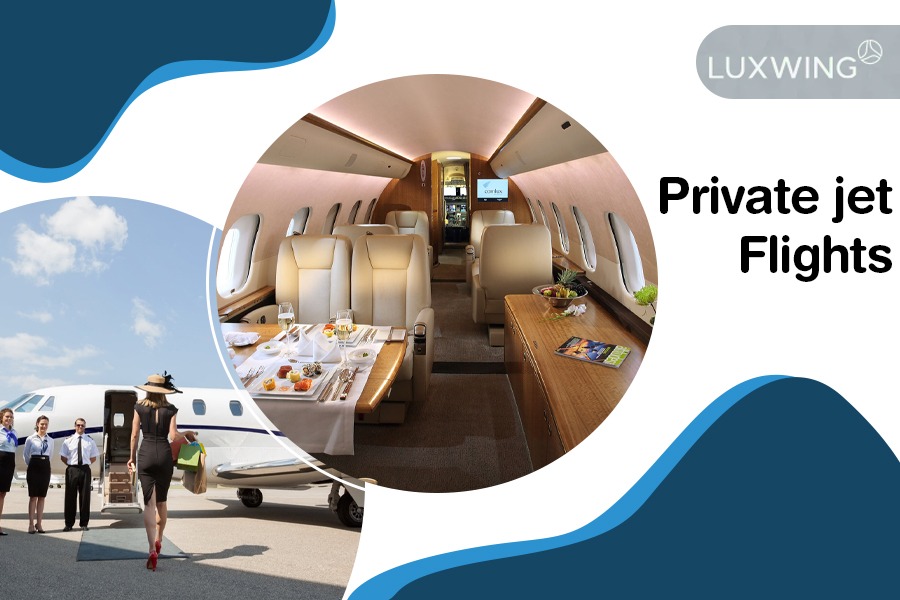
Privateness and consolation are also key benefits of private flying. Passengers can enjoy a more relaxed atmosphere, with the power to conduct conferences, get pleasure from meals, or just unwind with out the distractions generally present in industrial flights. This stage of consolation can be particularly appealing for top-profile people or those that value discretion.
Sorts of Aircraft
Private flying encompasses a various array of aircraft, every suited to different wants and preferences. The most typical varieties include:
- Light Aircraft: These are sometimes single-engine planes that are excellent for short journeys. They are often used for personal journey, flight coaching, and recreational flying. Examples embody the Cessna 172 and Piper PA-28.
- Enterprise Jets: Designed for corporate journey, enterprise jets supply extra space, pace, and luxury. These aircraft can accommodate a number of passengers and are outfitted with amenities reminiscent of convention rooms and sleeping quarters. Fashionable fashions embody the Gulfstream G650 and Bombardier Global 7500.
- Helicopters: Helicopters provide unique benefits, notably in city environments the place they can bypass ground site visitors. They are sometimes used for executive transport, medical emergencies, and tourism. Notable fashions embody the Bell 206 and Sikorsky S-76.
- Turbo-prop Aircraft: These planes mix the advantages of jet engines with the efficiency of propellers. They're effectively-suited for regional journey and might function from shorter runways. The Beechcraft King Air and Pilatus Laptop-12 are examples of popular turbo-prop aircraft.
Regulatory Setting
Private flying is subject to a complex regulatory framework that varies by country. Within the United States, the Federal Aviation Administration (FAA) oversees normal aviation, establishing security standards, pilot certification requirements, and operational tips. Pilots should get hold of a private pilot certificate, which requires a mixture of floor college, flight training, and passing a written exam and practical check.
Along with pilot certification, aircraft have to be registered and maintained in keeping with FAA rules. This contains regular inspections and adherence to security protocols. Compliance with these regulations is essential to guaranteeing the safety of all passengers and crew members.
Internationally, the Worldwide Civil Aviation Group (ICAO) sets standards that member international locations should observe, promoting security and efficiency in air journey. This means that private pilots flying internationally should be aware of the regulations in both their home country and the nations they plan to go to.
Costs of Private Flying
The costs associated with private flying can differ significantly based mostly on elements comparable to aircraft sort, utilization, and operational bills. Some key price issues embrace:
- Acquisition Prices: Buying an aircraft can require a considerable funding. Prices for gentle aircraft can vary from $15,000 to $500,000, while business jets can price millions of dollars. Moreover, consumers must consider the prices of insurance, registration, and taxes.
- Operating Prices: These embody gas, upkeep, hangar charges, and pilot salaries if hiring a crew. Working prices can add up rapidly, with gas prices being a significant think about general bills.
- Charter Companies: For individuals who don't want to own an aircraft, charter companies provide another. Chartering a private jet might be more cost-efficient for infrequent travelers, with prices usually starting from $1,200 to $10,000 per flight hour, depending on the aircraft and distance traveled.
- Fractional Possession: This model permits a number of owners to share the prices and utilization of an aircraft. Fractional ownership applications supply a solution to enjoy the advantages of private flying with out the complete monetary burden of ownership.
The way forward for Private Flying
The way forward for private flying seems promising, driven by developments in technology, altering shopper preferences, and a growing emphasis on sustainability. Innovations comparable to electric aircraft and city air mobility solutions, together with air taxis, are set to revolutionize the industry. Electric planes promise to cut back carbon emissions and lower working costs, making private flying more accessible and environmentally pleasant.
Moreover, the COVID-19 pandemic has shifted attitudes toward journey, with many individuals and firms reevaluating their travel preferences. Private flying offers a safer alternative to crowded commercial flights, leading to an increase in demand for private charters and possession.
Because the trade evolves, will probably be crucial for stakeholders to deal with challenges resembling regulatory hurdles, infrastructure growth, and environmental considerations. Collaboration between aviation authorities, manufacturers, and operators will be important to ensure the continued growth and sustainability of private flying.
Conclusion
Private flying represents a singular and dynamic sector of aviation that provides numerous advantages, together with flexibility, privateness, and access to a wide range of destinations. With numerous types of aircraft out there, as well as a posh regulatory setting and various cost structures, private flying caters to a diverse clientele. As technology advances and client preferences shift, the future of private flying holds thrilling possibilities, promising to boost the way in which individuals and companies method air travel.