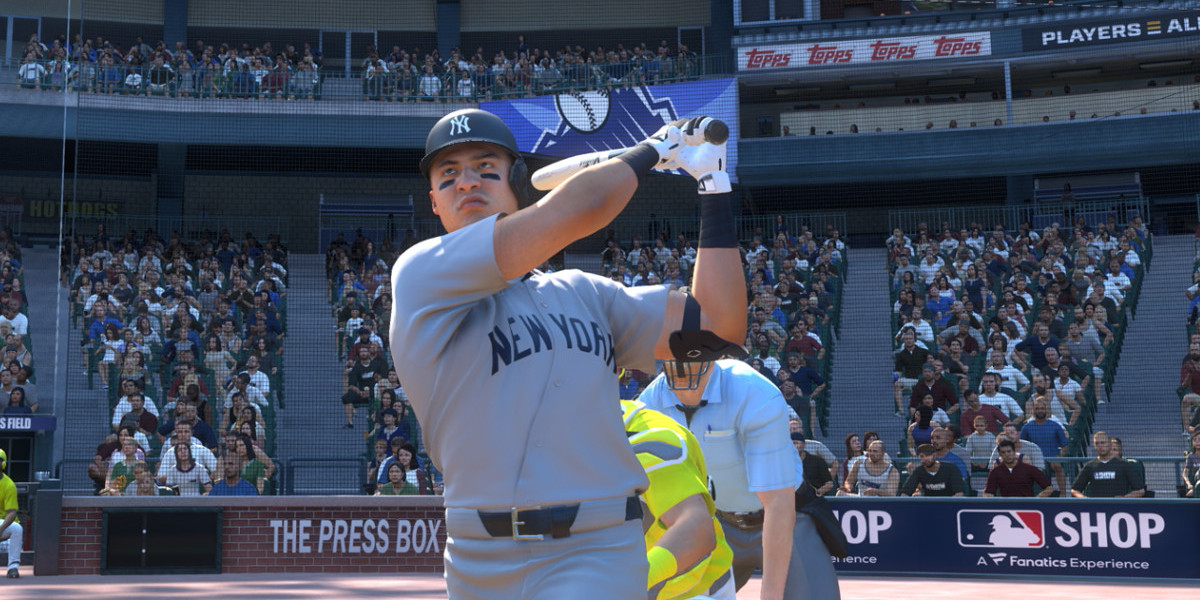
The postseason grind now has three competing demands on your time: online wins, Diamond Quest objectives, and another CPU season. With the October 9, 2026 content drop expanding the reward pool, the problem isn't finding something to play; it's choosing a route that improves your roster without swallowing the evening. If you're weighing your supply of MLB The Show 26 Stubs against another lineup purchase, start with the earnable cards. A focused progression setup can address a weak position while keeping your spending reserved for upgrades these rewards don't cover.
1 Diamond Quest Build: Targeted Upgrades Without Online Roster Pressure
The Diamond Quest approach suits players who want a meaningful roster upgrade before committing to competitive games. Its appeal is straightforward: Awards Series Dennis Eckersley and The Show Classics Series George Springer give you specific targets rather than another evening spent hoping a pack fills the right hole.
This is also the least roster-dependent starting point. Moments and Showdowns let you begin working through the content without first assembling an Event-eligible squad, although the complete Quest still includes Stadium Challenges and the Zone Sweeper.
Why This Build Works
◆ Defined card rewards make it easier to judge whether the time investment matches your roster needs.
◆ Self-contained objectives provide a practical starting point when your existing lineup doesn't fit the Event.
◆ Different challenge types break up the repetition of playing full games solely for progression.
Core Gameplay
1) Check the reward requirements, then begin with the Moments and early Showdowns.
2) Approach each objective on its own terms rather than carrying your normal game strategy into every encounter.
3) Continue through the remaining Quest requirements before treating either featured card as a completed upgrade.
The important adjustment is patience. A short objective can still become a time sink when you rush pitches or keep repeating an approach that isn't working. Read the situation, identify what actually completes the challenge, and avoid chasing extra offense when the objective asks for something narrower.
Once earned, evaluate Eckersley against your current pitching options and Springer against your outfield needs. Their series labels identify collection categories, not automatic superiority over every Finest or Spotlight alternative.
◆ Best for players who prefer objective-based offline progress and have a clear use for either reward.
◆ Less compelling when both rewards would sit behind established favorites.
2 Event Build: An Eligible Roster With a Purpose
The Event route is for players who enjoy facing human opponents and want those games to produce more than a win-loss record. Awards Series Andy Pettitte and Ivan Rodriguez provide a reason to engage with the Event Program, particularly if starting pitching or catcher is where your roster feels thin.
However, eligibility comes before ambition. The available pool includes the specified 2026 postseason teams, Postseason Series, The Show Classics Series, Awards Series, and Live Series Bronze/Common cards. Don't assume your usual Ranked lineup can simply move across unchanged.
Why This Build Works
◆ Event wins and Event missions give the same session multiple progression targets.
◆ Previously earned 2026 Postseason Series cards can help assemble an eligible lineup without unnecessary purchases.
◆ Position-specific headliners make the reward chase easier to connect to an actual roster weakness.
Core Gameplay
1) Check the current entry restrictions and build a legal roster from cards you already own.
2) Review the Event missions before choosing your batting order and pitching options.
3) Pursue mission progress without sacrificing the decisions that give you the best chance to win.
That third step matters. Forcing every plate appearance toward one mission can turn a productive session into frustrating baseball. Build around hitters whose timing you trust, then accommodate objectives where they fit naturally.
Pettitte and Rodriguez should be judged by role, not merely rating. A starter you can command or a catcher whose swing feels comfortable may offer more practical value than a higher-rated card you never settle into. Equally, neither reward needs to replace an incumbent simply because it is new.
◆ Best for competitive players who want rewards attached to regular online play.
◆ Less suitable when roster restrictions remove most of your comfortable options or losses make the session unproductive.
3 Mini Seasons Build: Repeatable Offline Progress
Postseason Mini Seasons is the steadier option for players who want complete games without online pressure. Its three- or nine-inning formats and seven- or 28-game seasons let you choose between shorter sessions and a longer campaign.
The reward appeal includes XP, stubs, and packs, with an Ultra Choice Pack, a Chase Pack, and multiple Vault Choice Packs among the available incentives. Unlike the named Quest and Event cards, packs shouldn't be treated as guaranteed solutions to a specific position.
Why This Build Works
◆ Flexible game and season lengths make offline progression easier to fit around your available time.
◆ CPU games provide space to learn newly earned cards while pursuing season rewards.
◆ Eligible gameplay can support the 8th Inning XP Path alongside the season's own objectives.
Choose your format after checking the reward requirements, not just the shortest available option. Shorter games suit quick sessions, while longer games offer more opportunities to work through plate appearances and pitching decisions. Neither choice is automatically the most efficient for every objective.
Equip useful new rewards when they fit your lineup so they can begin accumulating Parallel XP. Don't weaken the whole team merely to squeeze in every fresh card.
◆ Best for offline players who value a predictable routine.
◆ Less suitable when your immediate priority is a specific Event or Diamond Quest reward.
Which Build Should Players Choose
Start with Diamond Quest if you want Eckersley or Springer and aren't ready for online roster restrictions. Choose the Event if Pettitte or Rodriguez addresses a genuine need and you enjoy competitive games. Use Mini Seasons as your regular offline route rather than treating it as mandatory homework.
With the 8th Inning XP Path active through October 23, prioritize rewards you'll actually use. Eligible online modes can also advance Multiplayer Program 8, but don't assume offline sessions contribute there. If you're considering MLB The Show 26 Stubs for sale, first establish what these earnable rewards can replace; the strongest progression plan starts with knowing which upgrades your roster still needs.
Hartmann846
8 مدونة المشاركات